Transport Scotland today let us know that from next summer, motorhomes will have a much higher fare increase than all other types of traffic. Whilst general fares are rising by around 2%, the tariff formula applied to Motorhomes will be adjusted, resulting in increases for Motorhomes of around 50-70%.
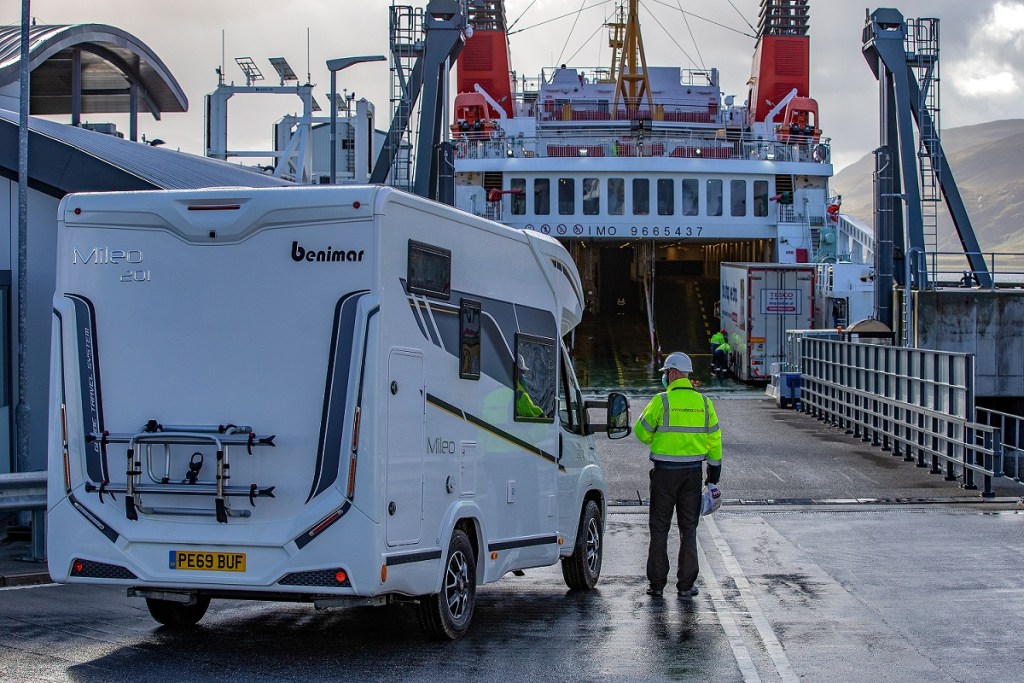
The increasing number of Motorhomes on our ferries has been a source of many complaints, due to the large amount of deck space they take up. The inequity of subsidising independent motorhome travel to the islands with Road Equivalent Tariff, whilst at the same time excluding all commercial traffic from RET is difficult to defend.
We have not been given the precise fares for any Mull routes yet, but the below is an approximation based on figures we have seen for Arran. [[UPDATE – we have now been given the new fares, and the estimates below are very close]]

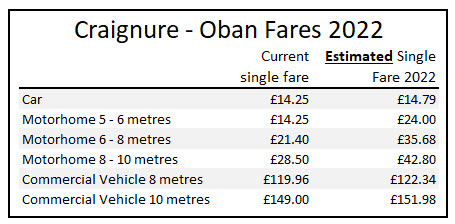
Even after this rise, a 10 metre truck delivering food, building materials or anything else to the islands will still cost more than three times the same length of motorhome. One of the major drivers of the rising island cost of living are ferry fares for delivery vehicles. It would seem to be imbalanced use of government money to subsidise the travel of motorhomes to the islands, but not food deliveries.
This move to partially redress the imbalance between motorhome and commercial vehicle fares is welcome, but more needs to be done. A commercial fares review was announced many years ago, but never concluded. Commercial fares need to come down. Transport Scotland say this adjustment to motorhome fares is an interim measure, and a wider fares review is underway.
Motorhomes are welcome, but the first job of the ferry service is to provide a lifeline service to those who live on the island. The current system of fares and booking is simply not leaving enough of that scarce resource – car deck space – available for islanders who rely on CalMac ferries to provide a lifeline.
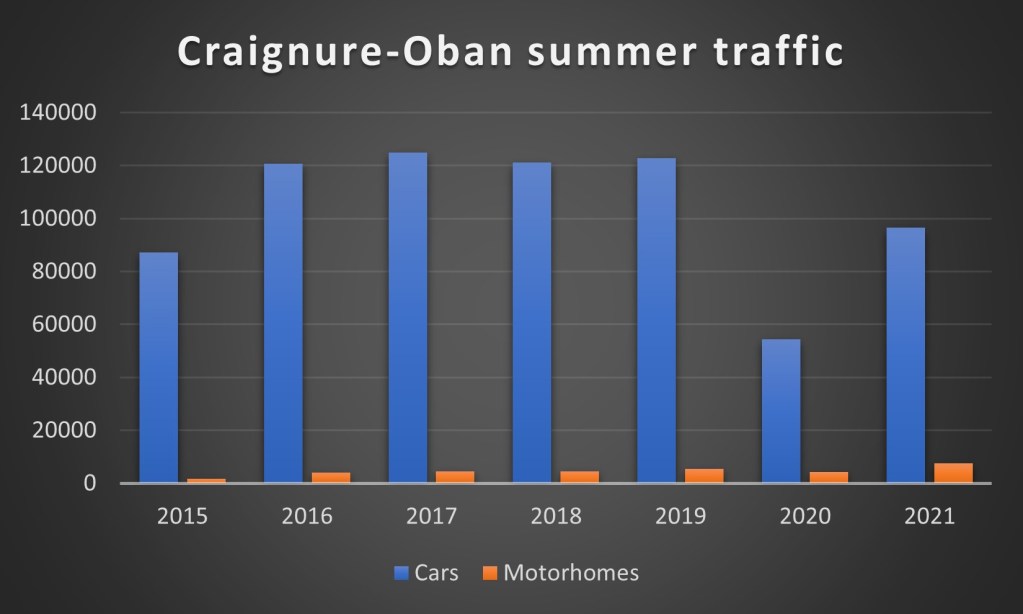
The number of motorhomes coming to Mull is increasing – the numbers travelling in and out of Craignure has gone up from 1650 in 2015 to 7,500 this summer. But they still represent a small proportion of traffic and by no means are their growing numbers the only cause of the crisis of capacity in the network.